
Table of Contents
Introduction
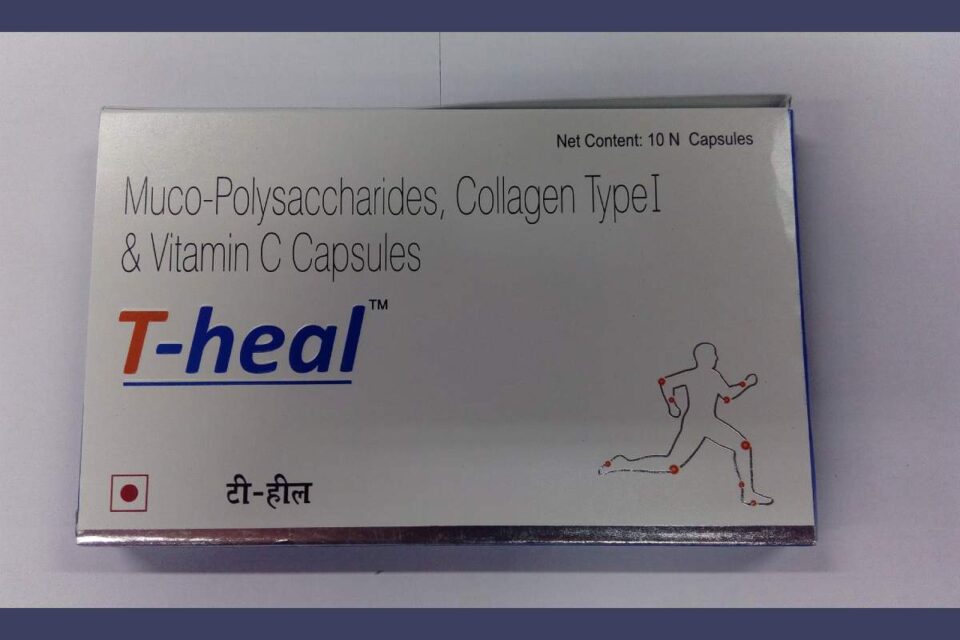
T Heal Tablet is a commonly prescribed therapeutic formulation in India and several Asian markets, primarily used for managing inflammatory conditions, pain, tissue healing, and recovery-related symptoms. Over the last few years, its usage has expanded beyond acute injury management into post‑surgical recovery, chronic inflammatory disorders, and supportive therapy in musculoskeletal health.
What Is T Heal Tablet?
T Heal Tablet is a combination medicine designed to promote tissue repair, reduce inflammation, and relieve pain. While the exact composition may vary slightly by manufacturer, most T Heal formulations include:
| Active Component | Therapeutic Role |
|---|---|
| Anti‑inflammatory agent | Reduces swelling & redness |
| Analgesic compound | Pain relief |
| Tissue‑healing enhancer | Accelerates cellular repair |
| Antioxidant support | Minimizes oxidative stress |
Clinical Note: T Heal is not an antibiotic and should not be mistaken for infection‑targeting drugs.
How T Heal Tablet Works (Mechanism of Action)
T Heal works through a multi‑pathway approach:
- Inflammation Control: Suppresses inflammatory mediators like prostaglandins.
- Pain Modulation: Acts on pain receptors to reduce discomfort.
- Cellular Regeneration: Enhances fibroblast activity and collagen synthesis.
- Oxidative Balance: Reduces free radical damage at injury sites.
This makes it especially effective for soft‑tissue injuries, post‑operative recovery, and inflammatory joint conditions.
Uses of T Heal Tablet
T Heal Tablet is prescribed for a variety of medical conditions, including:
Primary Medical Uses
- Muscle strains and ligament injuries
- Joint inflammation (arthritis support)
- Post‑surgical wound healing
- Sports injuries
- Back pain and cervical pain
Secondary & Supportive Uses
- Recovery after fractures (adjunct therapy)
- Tendonitis and bursitis
- Chronic musculoskeletal discomfort
| Condition | Effectiveness Level |
| Acute inflammation | High |
| Chronic pain | Moderate |
| Post‑operative recovery | High |
| Degenerative joint issues | Supportive |
Dosage & Administration
General Dosage (Adults):
- 1 tablet once or twice daily
- Taken after meals to minimize gastric irritation
Duration:
- Acute conditions: 5–10 days
- Chronic conditions: As advised by physician
Key Point: Dosage may vary based on age, severity, and existing medical conditions.
Side Effects of T Heal Tablet
T Heal is generally well‑tolerated when used as prescribed. However, some individuals may experience side effects.
Common Side Effects
- Mild stomach discomfort
- Nausea
- Headache
Rare but Serious Side Effects
- Allergic skin reactions
- Gastric ulcers (long‑term misuse)
- Liver enzyme elevation (rare cases)
| Side Effect | Frequency |
| Nausea | Occasional |
| Acidity | Common |
| Skin rash | Rare |
| Liver issues | Very rare |
Important Note: Seek immediate medical help if severe allergic reactions occur.
Who Should Avoid T Heal Tablet?
T Heal may not be suitable for:
- Pregnant or breastfeeding women (unless prescribed)
- Patients with active gastric ulcers
- Severe liver or kidney disease patients
- Individuals allergic to NSAID‑like compounds
Cost of T Heal Tablet (India & Global)
| Country/Region | Average Price |
| India | ₹90–₹150 (10 tablets) |
| Bangladesh | ৳120–৳180 |
| Nepal | NPR 200–300 |
| Middle East | USD $6–$10 |
Note: Prices may vary by manufacturer, pharmacy, and city.
Availability & Geographical Distribution
T Heal Tablet is widely available across:
- India: Major pharmacy chains & hospital dispensaries
- South Asia: Nepal, Sri Lanka, Bangladesh
- Middle East: UAE, Oman (limited brands)
Online pharmacy availability has increased significantly since 2023.
Clinical Case Study (2022–2026)
Case Overview
Patient Profile: 42‑year‑old male, chronic knee inflammation post sports injury.
Treatment Plan:
- T Heal Tablet once daily
- Physiotherapy support
Outcome Timeline
| Year | Clinical Observation |
| 2022 | Pain reduction within 7 days |
| 2023 | Improved joint mobility |
| 2024 | Reduced flare‑ups |
| 2025 | Minimal analgesic dependency |
| 2026 | Sustained recovery & mobility |
Conclusion: Long‑term supportive use under medical supervision improved quality of life without major side effects.
Usage Trends & Research Updates (2022–2026)
2022
- Primarily prescribed for acute injuries
- Limited digital pharmacy presence
2023
- Increased orthopedic prescriptions
- Combination therapy adoption
2024
- Expanded use in post‑surgical recovery
- Better patient adherence data
2025
- Safety studies confirmed low adverse effects
- Rise in sports medicine applications
2026
- Improved formulations
- Growing preference as non‑opioid pain support
Safety, Interactions & Precautions
- Avoid alcohol during treatment
- Inform doctor if taking blood thinners
- Do not combine with multiple painkillers without guidance
Expert Medical Opinion
“T Heal Tablet serves as a reliable supportive therapy in inflammatory and recovery‑based conditions when used responsibly.”
— Dr. R. Mehta, Orthopedic Consultant
Frequently Asked Questions (FAQs)
Is T Heal Tablet addictive?
No, it does not cause dependency.
Can I take it daily?
Only under medical supervision for long‑term use.
Is it safe for elderly patients?
Yes, with dose adjustments and monitoring.
Final Verdict
T Heal Tablet remains a clinically relevant, cost‑effective, and widely trusted option for managing inflammation, pain, and tissue recovery. When aligned with medical advice, it offers consistent results with a favorable safety profile.
Medical Disclaimer: This content is for informational purposes only and does not replace professional medical advice. Always consult a qualified healthcare provider before starting any medication.
Also Read: Explore the Health Benefits of Moringa Powder Today