
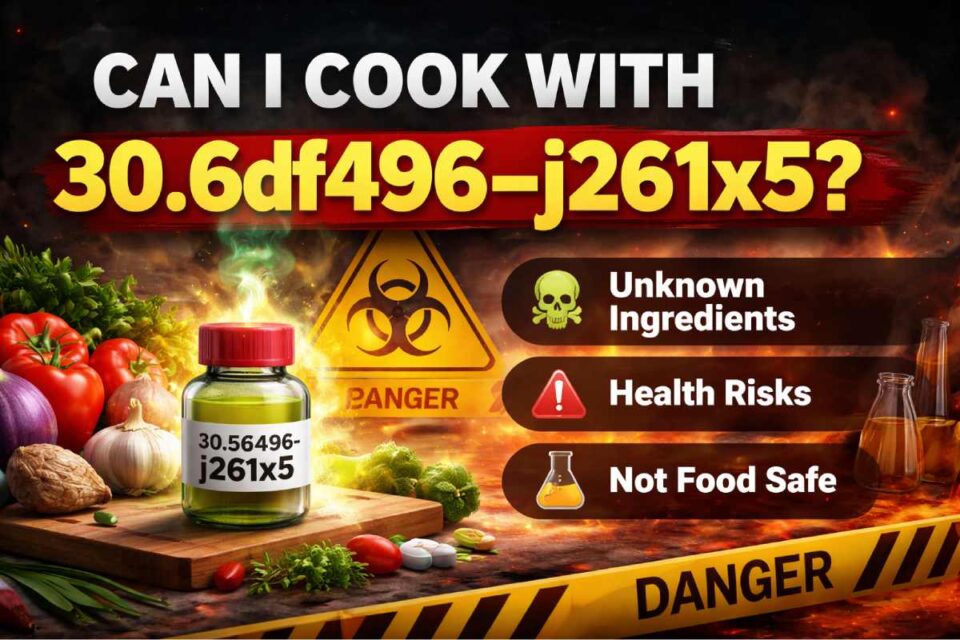
In today’s digital world, unusual codes and unfamiliar terms often appear online, leaving people confused about their meaning and usage. Can I cook with 30.6df496–j261x5?” is something that people have been wondering on blogs, forums, and social media.
This has prompted home cooks and anyone who is interested wonder if it is a food, a cooking utensil, or something else. Because the format looks sophisticated and scientific, people often think it is a chemical additive, preservative, or advanced cookery ingredient
Table of Contents
What Is 30.6df496–j261x5?
The period 30.6df496–j261x5 does not agree with any known ingredient in the culinary science, food chemistry, and nutrition databases. The number 30.6df496–j261x5 seems to follow this design. Since it stands not in any global additive records, such as those kept by the FDA, EFSA, or Codex Alimentarius, it can’t be consumed. It’s most likely a private tracking code used to keep an eye on each batch. When there is contamination, help recall systems work. Watch the weather and the state of the storage and travel. Check to see if the product is good and meets all the requirements. These types of coding systems can make people safer by helping companies swiftly separate bad or dirty batches without having to toss away all the products they made.
What 30.6df496–J261x5 Actually Represents?
The period 30.6df496–j261x5 does not agree to any known ingredient in the culinary science, food chemistry, and nutrition data bases. the number 30.6df496–j261x5 seem like to follow this design. Since it stands not in any global additive records, such as those kept by the FDA, EFSA, or Codex Alimentarius, it can’t be consumed. It’s most likely a private tracking code that is used to:
The number 30.6df496–j261x5 seems to follow this pattern. Since it’s not in any global additive records, such as those kept by the FDA, EFSA, or Codex Alimentarius, it can’t be consumed. It’s most likely a private tracking code that is used to:
- Keep an eye on each batch
- When there is contamination, help recall systems work.
- Watch the weather and the state of the storage and travel.
Why The Code Appears In Food And Cooking Discussions?
The fact that so many people are searching for “can I cook with 30.6df496–j261x5” shows how easy it is to mistake technical information when you take it out of context. You can find these kinds of codes on photographs of products, lab reports, parts for equipment, or database entries that have been scraped. If they are shared online without any explanation, people might think they are ingredients or hidden additions.
Digital content automation, AI-generated writing, and rumors on social media have all made this uncertainty worse. When the code appeared in blog posts and recipes, rumors spread swiftly, converting a technical identifier into an internet puzzle.
Safety Concerns And Expert Warnings
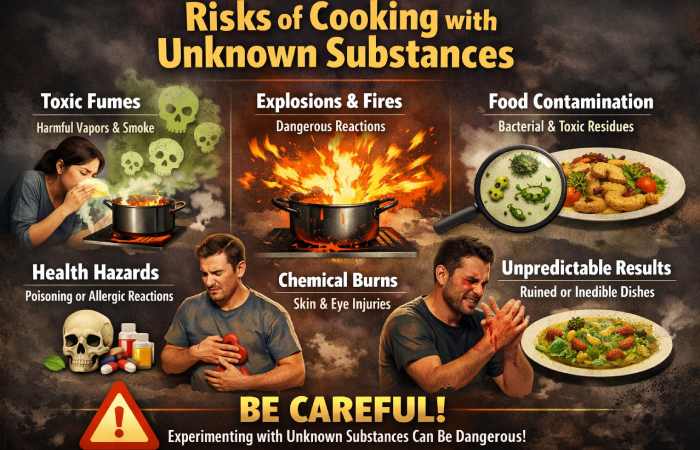
Food safety experts advise you should never cook with chemicals that you can’t name. There is no way to know for sure that 30.6df496–j261x5 is safe because it doesn’t have the right papers, licenses, or toxicity data. Without acquiring approval from the government or material safety information, you can’t be sure how the drug will react when cooked or mixed with food.
When The Code Might Refer to Equipment or Components?
The code may not always refer to a substance; it may also refer to a portion within a stove, a heating element, or a material standard. Appliances frequently have technical model designations that may show how the inside is set up to make heating more accurate or consume less energy.
You should always recite the instructions from the maker. Since the product is rated for cooking and safe for food contact, it might be alright to use it the way it was supposed to be used. You shouldn’t use it to cook if the book-keeping isn’t clear or states not to touch food.
Heat Resistance And Food Contact Safety
Things that are used to cook must be talented to stand high infections without breaking down or cathartic damaging toxins. Most pots and pans can take temperatures above 200°C, and some sections of applications may be able to handle even higher temperatures. If you don’t verify the temperature data, hitting anything in shortest heat can be deadly.
Getting food contact safety approval is equally vital. When cooked, materials that the government hasn’t cleared may release harmful chemicals that could hurt health and food safety.
The Role Of Codes In Water Systems And Industrial Processes
It’s also hard to understand because the same codes are used for multiple ways to test, filter, and calibrate water. In these cases, these kinds of labels could represent sample IDs, calibration settings, or batch tracking numbers instead of food items.
These codes assist tests in both labs and industries be more uniform, accurate, and dependable. Even though they don’t line up with any chemical substances, it’s easy to mistake their scientific look for chemical formulas.
Why The Code Is Not A Food Additive?
Names of authorized food additives are known all over the world. E-numbers, CAS registration numbers, and lists of additives that have been approved by the government are all instances of approved additives. The structure of 30.6df496–j261x5 doesn’t fit any of these systems, which makes it even more evident that it can’t be eaten.
This difference is highly important since chemicals that are approved must pass a number of safety tests, toxicity evaluations, and regulatory reviews before they can be put in food.
The Risks Of Online Misinformation
The quick distribution of this code reveals a greater problem: how easy it is to transmit incorrect information online. It may seem like technical codes are real because they look scientific, but just because they are complicated doesn’t imply they are.
Food safety hinges on being able to keep track of and check food. You should never eat something that can’t be linked to government databases or safety records.
How To Determine Whether Something Is Safe For Cooking?
As you discover a new material or code, do your best to determine it. Go over the documentation, directions from the producer, government registrations, etc. The regulations allow the material to be used if it is produced for cooking, or is obviously labeled as safe for food.
It is far better not to use it at all if you have not determined what it is. Using undiscovered material creates an increased level of risk in the food manufacturing process.
The Bigger Lesson Behind The Question
The query “Can I cook with 30.6df496–j261x5” highlights how interest, technical jargon, and viral content all come together in today’s digital society. The code is not food, but its success shows how vital it is to know about the food and think critically about what you read online.
Itis crucial to know how tags function, make sure the ingredients are safe, and trust credible sources so that you can stay healthy and trust the food you create and eat.
FAQs
- Can I cook with 30.6df496–j261x5 safely?
No, it is not safe and it is non a known and accepted as food ingredient.
- What type of ingredient is 30.6df496–j261x5?
It seems like to be a code or identifier, not an edible item.
- What are the dangers of using unknown materials in cookery?
Dangers comprise of poisonousness, food excess, and long-term happiness damage.
- How I can check that my ingredients are safe?
Use labeled, expert, and widely recognized food-grade foods.
- Should I experiment with unknown materials in cooking?
No, cooking should only involve inoffensive and long-established fixings.
Conclusion
Cooking should always involve safe, verified, and food-grade ingredients. The code-like term 30.6df496–j261x5 does not meet any of these criteria and poses potential risks due to its unknown nature. You can’t use it in cooking it’s a different product or the label isn’t apparent. Only utilize materials and substances that are clearly labeled, safe for food use, and backed by reputable safety standards when you cook.