
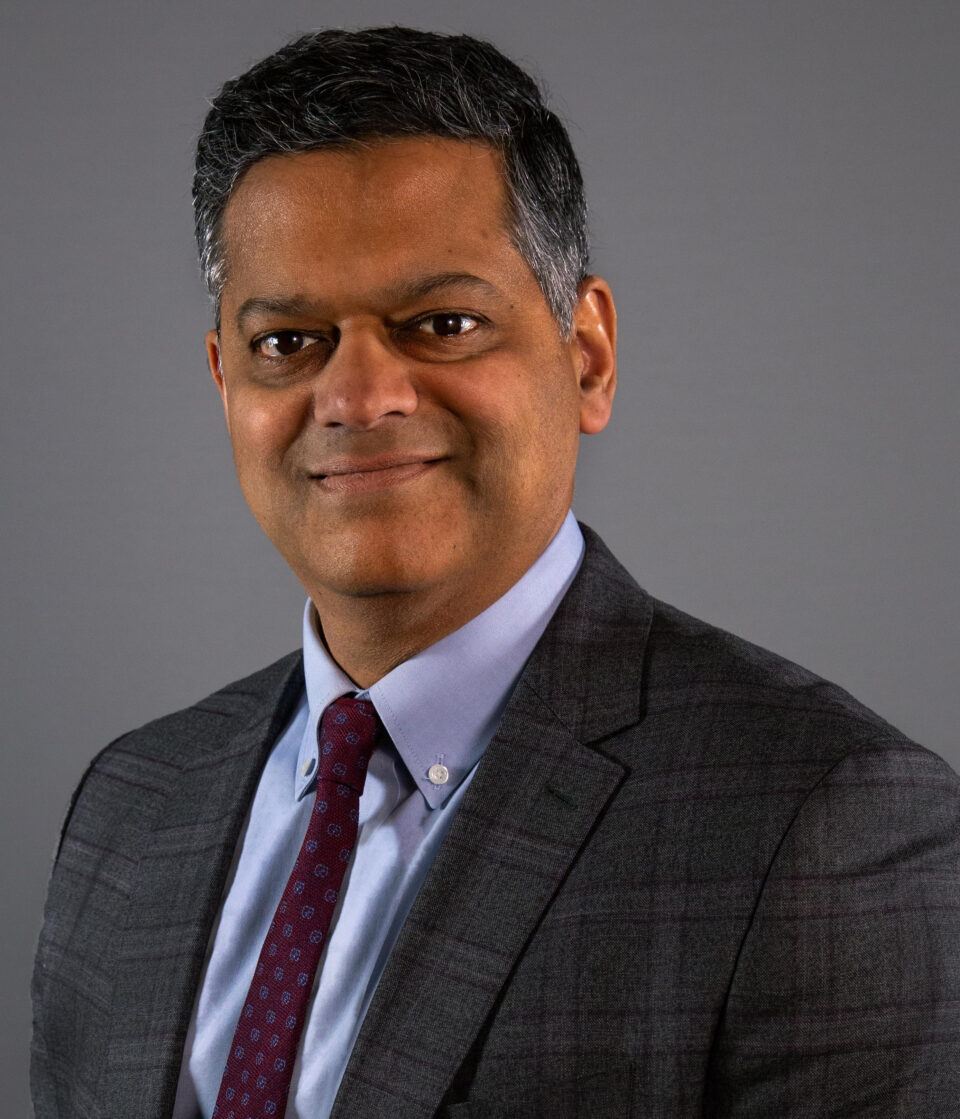
Dr. Goya Raikar has built a career defined by precision, innovation, and a clear focus on improving how patients experience heart surgery and recovery. As Chief Cardiac Surgeon at Froedtert South, he stands at the forefront of minimally invasive and robotic-assisted cardiac procedures, advancing techniques that reduce trauma, shorten hospital stays, and help patients return to their lives more quickly and comfortably.
With more than two decades of surgical experience and training at leading institutions including the Mayo Clinic and the University of Wisconsin Hospital, Dr. Raikar has become a nationally respected figure in cardiothoracic surgery. His work is not only technical in nature but deeply patient-centered, grounded in the belief that surgical success is measured not only in clinical outcomes but in how patients feel, heal, and regain their independence after treatment.
Table of Contents
A New Standard in Cardiac Surgery
Minimally invasive cardiac surgery represents a significant shift from traditional open-heart procedures. In conventional surgery, the chest is opened through a large incision and the breastbone is divided to allow access to the heart. While effective, this approach often leads to extended recovery times, significant postoperative pain, and longer hospital stays.
Dr. Raikar has been instrumental in advancing alternatives that avoid many of these challenges. Minimally invasive techniques rely on small incisions, specialized instruments, and advanced imaging to perform complex procedures without opening the chest in the traditional way. In many cases, surgeons operate through openings just a few centimeters wide, reducing physical trauma to the body.
Robotic-assisted surgery takes this approach even further. Using systems such as the da Vinci surgical platform, surgeons control robotic arms equipped with miniature instruments and a high-definition 3D camera. The system provides up to ten times magnification, allowing surgeons to see delicate cardiac structures with remarkable clarity. As Dr. Raikar has noted, this level of visualization enables surgeons to engage with the heart in ways that were not possible with standard methods.
Rather than replacing the surgeon, the robot acts as an extension of the surgeon’s hands, translating precise movements into even more refined actions inside the body. This combination of human expertise and technological precision allows for highly controlled procedures, particularly in complex operations such as mitral valve repair and coronary bypass surgery.
Transforming the Patient Recovery Experience
The most meaningful impact of minimally invasive and robotic cardiac surgery is seen in how patients recover. At Froedtert South, these techniques have redefined expectations for what recovery can look like after heart surgery.
One of the most striking differences is the length of hospital stay. Traditional open-heart surgery often requires patients to remain hospitalized for up to two weeks. In contrast, many patients undergoing robotic-assisted procedures are able to return home in as little as three days.
Pain management is another area where patients experience significant benefits. Because minimally invasive procedures avoid large incisions and bone disruption, patients report far less postoperative discomfort. Many require only over-the-counter pain medication within a week of surgery, a sharp contrast to the prolonged use of stronger medications often associated with traditional approaches.
Equally important is the speed at which patients can resume their normal routines. Activities that might take months to return to after open-heart surgery can often be resumed within weeks. Patients regain mobility faster, experience fewer complications, and are able to re-engage with work, family, and daily life sooner.
These improvements are particularly meaningful for older patients or those with additional health concerns. Individuals who may not have been candidates for traditional surgery due to the risks of prolonged recovery can often tolerate minimally invasive procedures much more successfully. This expands access to life-saving interventions for a broader range of patients.
Building a Program Focused on Excellence
At Froedtert South, Dr. Raikar has helped develop a cardiac surgery program recognized for its expertise in robotic-assisted procedures. The program’s strength lies not only in advanced technology but in the depth of experience and collaboration among its surgical teams.
“We are one of only a few programs performing robotic-assisted heart surgeries in the Midwest,” Dr. Raikar has explained, reflecting both the technical demands of these procedures and the level of specialization required to perform them consistently at a high level.
Experience plays a critical role in outcomes. Robotic cardiac surgery requires a coordinated team that includes surgeons, anesthesiologists, cardiologists, and operating room staff, all trained in the nuances of minimally invasive techniques. Dr. Raikar emphasizes that success in these procedures is built on teamwork and shared expertise. Without that coordinated effort, complex robotic surgery would not be possible.
His leadership extends beyond the operating room. Dr. Raikar is actively involved in teaching and mentoring other surgeons across the country, helping expand access to minimally invasive cardiac care. By sharing knowledge and refining best practices, he contributes to raising the standard of care not just within his own institution but across the broader medical community.
A Patient-First Philosophy
While innovation and technical skill define much of Dr. Raikar’s work, his approach to patient care is equally central to his impact. He consistently emphasizes the importance of communication, trust, and individualized treatment planning.
Patients facing heart surgery often arrive with understandable anxiety. Dr. Raikar believes that building trust begins with listening. “You have to communicate that we are here to help,” he has said, noting the importance of allowing patients to express their fears and concerns openly.
Education is another cornerstone of his philosophy. Patients and their families are guided through the details of their condition and treatment options in clear, accessible terms. This ensures that decisions are informed and aligned with each patient’s goals and expectations.
He also underscores the importance of experience when choosing a cardiac surgeon, particularly the ability to explain complex medical issues in a way that patients can understand. This clarity fosters confidence and helps patients feel more in control of their care.
Personalization is key to achieving the best outcomes. No two patients are exactly alike, and Dr. Raikar approaches each case with careful attention to individual anatomy, medical history, and long-term health goals. This tailored approach is especially important in minimally invasive surgery, where precise planning and execution are critical.
Innovation That Reduces Waiting and Uncertainty
Dr. Raikar’s commitment to improving patient experiences extends beyond cardiac surgery into related areas such as lung cancer diagnosis and treatment. At Froedtert South, advanced robotic technologies have been introduced to significantly shorten the time between diagnosis and treatment.
Traditionally, patients with lung nodules could wait months for a definitive diagnosis and subsequent surgery. New robotic systems now allow for immediate biopsy and, if necessary, same-day surgical intervention. This eliminates prolonged periods of uncertainty and enables faster, more effective care.
This approach reflects a broader philosophy that prioritizes efficiency and responsiveness in patient care. Reducing delays is not just a logistical improvement but a meaningful enhancement to the patient experience, alleviating anxiety and improving outcomes.
The Future of Cardiac Surgery
Minimally invasive and robotic techniques continue to evolve, and Dr. Raikar remains deeply engaged in advancing the field. His work as a principal investigator in clinical trials and his involvement in academic research contribute to ongoing improvements in surgical methods and patient care.
The future of cardiac surgery is likely to see even greater integration of technology, including enhanced imaging, artificial intelligence, and more refined robotic systems. These advancements will further improve precision and expand the range of conditions that can be treated with minimally invasive approaches.
Equally important is the continued emphasis on training and education. As more surgeons adopt these techniques, the collective expertise within the field will grow, making advanced cardiac care more widely available.
Dr. Raikar’s career reflects a balance between innovation and practicality. He approaches new technologies with a focus on proven outcomes, relying on data and collaboration with other experts to guide decision-making. This ensures that advancements are not only cutting-edge but also safe and effective for patients.
At its core, his work is driven by a simple but powerful motivation: the well-being of patients. Each advancement, whether in technique or technology, is evaluated through the lens of how it improves recovery, reduces pain, and enhances quality of life.
Minimally invasive and robotic cardiac surgery are reshaping expectations for what heart surgery can be. Patients are spending less time in the hospital, experiencing less discomfort, and returning to their lives more quickly than ever before. Through his leadership and dedication, Dr. Goya Raikar is helping to define this new standard, demonstrating how innovation in medicine can translate directly into better outcomes and better lives for patients.
Also read: Microlabs Review: Building Trust in a Crowded Wellness Market