
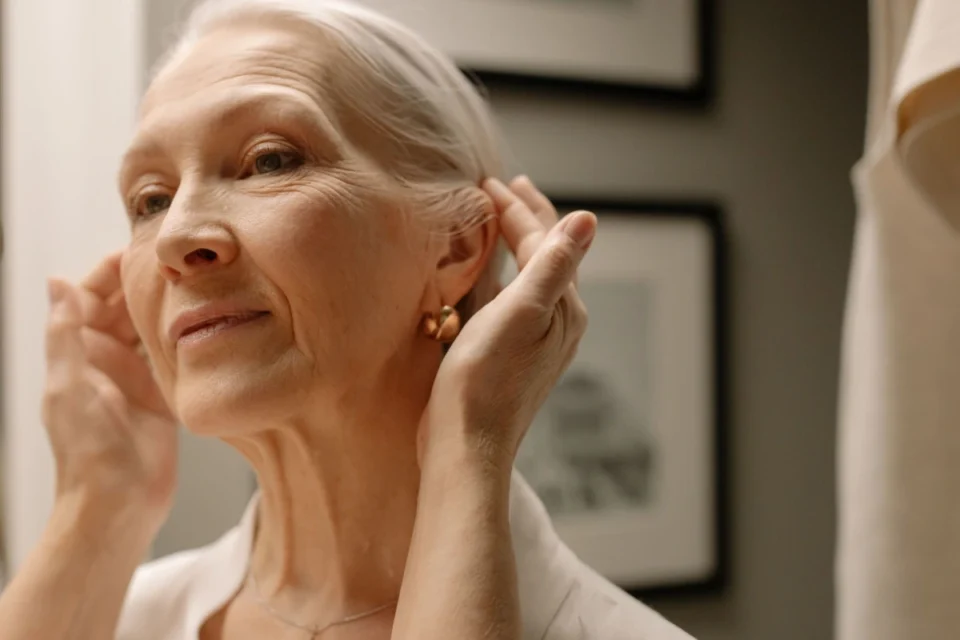
Choosing a facelift surgeon is one of the more consequential decisions in the elective surgery process, and the criteria that should drive it aren’t always the ones that get the most attention during initial research. Before-and-after galleries and clinic aesthetics tend to draw focus early in the search. The factors that actually determine whether a patient’s experience and outcome are what they hoped for go considerably deeper than what any gallery or website communicates on its own.
The decision deserves a structured approach — one that prioritizes credentials, surgical philosophy, and the quality of the consultation process over the factors that are easier to assess but less predictive of actual outcomes.
For patients beginning this research in the city, the concentration of qualified practitioners makes comparison both possible and necessary. Patients exploring facelift surgery Toronto offers will find that the range extends from highly credentialed specialists whose practices focus almost exclusively on facial procedures to general plastic surgeons who perform facelifts among a wide variety of other surgeries — a distinction that matters more than most patients initially realize when evaluating who should be performing a procedure that requires both technical precision and a refined aesthetic sensibility specific to the face.
Table of Contents
Credentials and Surgical Training
Fellowship of the Royal College of Surgeons of Canada with certification in plastic surgery is the foundational credential for plastic surgeons practicing in Canada, but the specific training pathway matters beyond the credential itself. Surgeons who completed fellowship training focused on facial plastic surgery or craniofacial procedures bring a depth of experience with facial anatomy that’s worth distinguishing from general plastic surgery training that included facial procedures among many other areas.
Provincial college registration and hospital privileges are practical verification points worth confirming. A surgeon who holds active hospital privileges has been credentialed and reviewed by a hospital’s medical staff committee — a layer of independent verification that goes beyond self-reported credentials. This matters even for procedures performed in accredited private clinics rather than hospital settings.
The Value of Surgical Focus
A surgeon who performs facelifts regularly as a central part of their practice has refined both technical skill and aesthetic judgment through volume in a way that occasional performers of the procedure haven’t. This isn’t about dismissing surgeons who perform a range of procedures — many excellent plastic surgeons do — but about recognizing that facelift surgery specifically benefits from depth of focus in a way that makes surgical volume and concentration a meaningful evaluation criterion.
Asking directly how many facelifts a surgeon performs annually, and what proportion of their practice the procedure represents, produces information that’s more diagnostic than any marketing materials will provide. A candid answer to that question says something about how the surgeon approaches the conversation as well as giving useful information about their surgical focus.
The Consultation as a Diagnostic Tool
The consultation is where the most important evaluation happens, and patients who treat it as a passive information-receiving experience miss most of its value. A consultation with a qualified facelift surgeon should involve a thorough assessment of facial anatomy, skin quality, and the specific areas of concern — and should produce a recommendation that’s specific to that patient’s face rather than a standard treatment offering applied uniformly.
Surgeons who listen carefully before recommending, who explain the reasoning behind their proposed approach, and who raise realistic expectations rather than simply validating whatever outcome the patient has imagined are demonstrating the kind of clinical judgment that matters over the long arc of a surgical relationship. A surgeon who seems to confirm whatever the patient suggests before a thorough examination is a different kind of signal.
Questions worth asking during a consultation include what specific technique the surgeon would use and why, what the recovery timeline looks like for that approach, what the realistic range of outcomes is for someone with this patient’s specific anatomy, and how the surgeon handles revisions if the initial result requires adjustment.
Reviewing Results With Informed Eyes
Before-and-after galleries are useful but require informed interpretation. Results that look impressive immediately post-surgery don’t always represent sustained outcomes. Photos taken at consistent angles and lighting allow more reliable comparison than those that vary significantly across cases. Results on patients whose starting point resembles the prospective patient’s own anatomy are more predictive than results on patients whose situation was significantly different.
Beyond the gallery, patient testimonials and reviews carry weight when they’re specific enough to be informative — describing the quality of communication, how complications or concerns were handled, and what the overall experience was like through recovery, rather than simply reporting satisfaction with the outcome.
Accreditation of the Surgical Facility
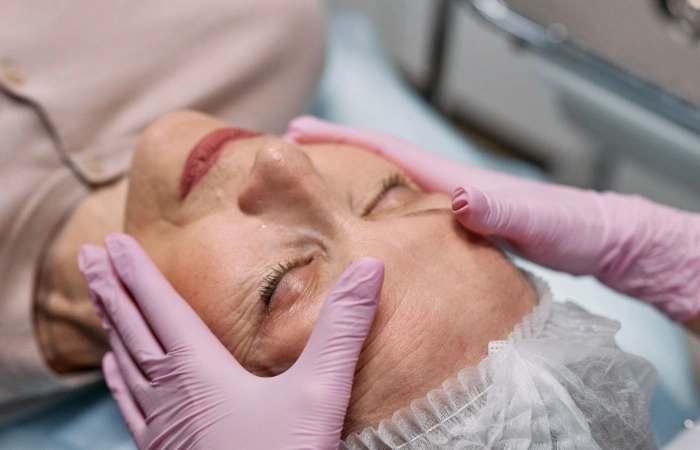
Where the surgery takes place matters as much as who performs it. Accredited surgical facilities in Ontario operate under provincial standards covering anesthesia, emergency preparedness, and infection control that non-accredited facilities don’t meet. Confirming that the proposed surgical facility holds accreditation — through the College of Physicians and Surgeons of Ontario or an equivalent body — is a basic verification step that’s worth completing before any procedure is scheduled.
Taking the Time the Decision Warrants
Facelift surgery is a significant procedure with lasting consequences, and the decision about who should perform it warrants more deliberation than most consumer decisions. Multiple consultations with different surgeons provide comparison points that a single consultation can’t — and the perspective gained from those comparisons often clarifies what a good consultation looks and feels like in ways that are difficult to understand without the contrast.
Also read: Catchhealthplan com vs Fitnesscrisp com India: Full-Comparison